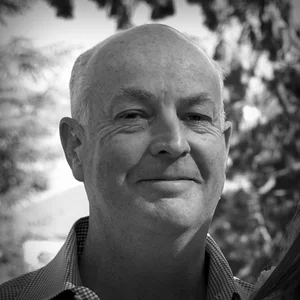
Honolulu Magazine spotlights Dr. Robert Peterson on prevention, screening, and the real work of longevity
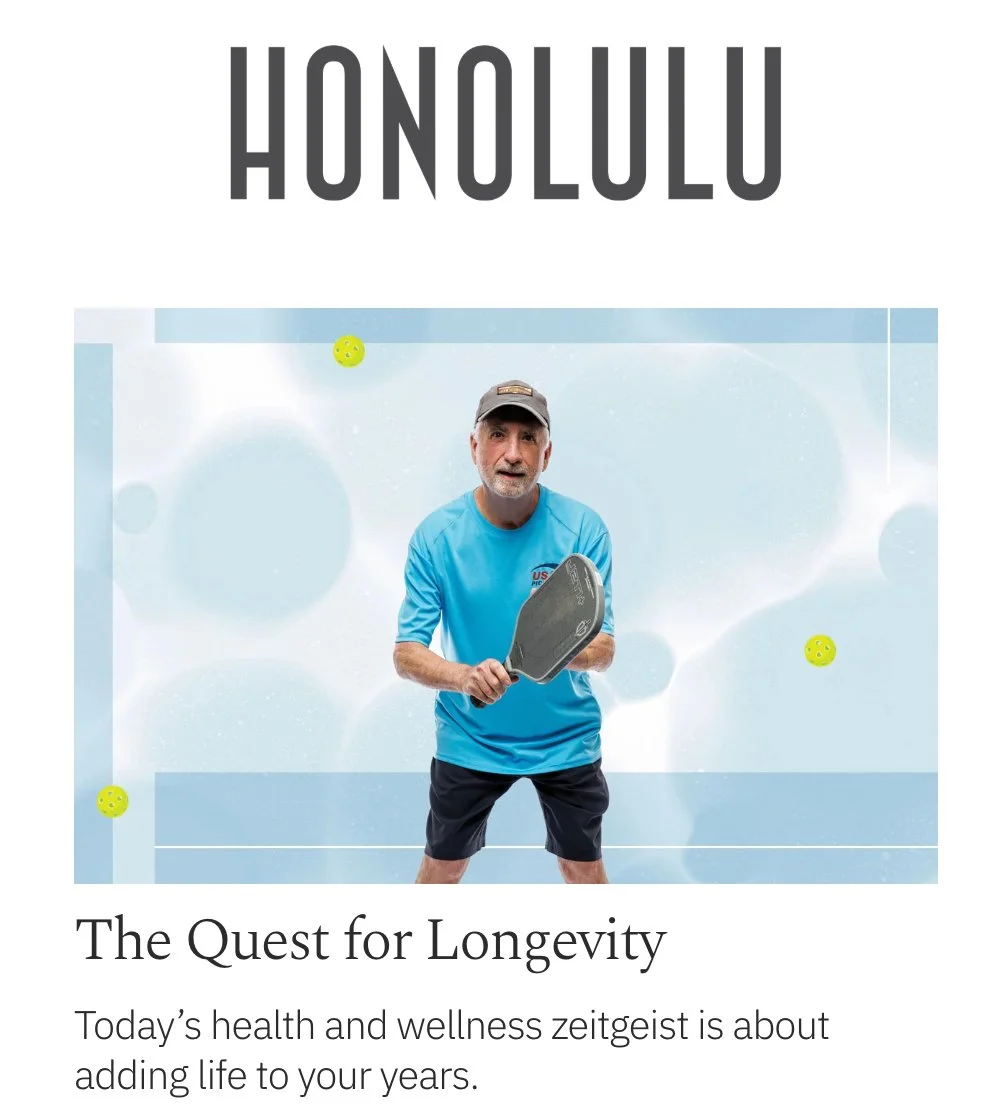
Honolulu Magazine recently published “The Quest for Longevity,” a feature examining how people in Hawai‘i are thinking about longer, healthier lives.
The article covers many of the core pillars of healthy aging, including movement, nutrition, social connection, purpose, preventive care, and access to good medical guidance. It also includes perspective from Robert Peterson, MD, Chief Medical Officer of Lokahi Longevity, whose comments point to one of the most important ideas behind our work.
A healthy lifestyle is essential, but it is not the same as knowing what is happening inside your body.
Dr. Peterson shared a personal example. Five years ago, while preparing to increase his exercise regimen, he underwent a heart stress test. He had no obvious cardiac risk factors, maintained normal blood pressure, and exercised regularly. The test led to an unexpected diagnosis of ischemic heart disease. He ultimately needed triple bypass surgery.
His takeaway, “exercise does not protect you from a heart attack.”
For many people, that is a difficult message. Exercise, diet, sleep, social connection, and purpose all play major roles in healthspan. They help support cardiovascular health, metabolic function, brain health, physical strength, and quality of life. They are part of the foundation.
But they do not reveal coronary artery narrowing. They do not identify every early cancer signal. They do not show every stroke risk. They do not provide a full picture of genetic risk.
That is where prevention needs to become more precise.
At Lokahi Longevity, we believe the next phase of healthy aging requires moving beyond generalized wellness advice and toward earlier detection, better risk assessment, and more personalized action. The goal is not simply to live longer. The goal is to identify preventable threats before they become life-altering events.
Dr. Peterson’s story illustrates that point. He was active. He was informed. He was not presenting as someone with obvious cardiovascular risk. Yet screening revealed a serious condition before it became a catastrophic event.
That is the difference between assuming health and measuring health.
The Honolulu Magazine article also highlights a broader shift in how people think about longevity. The conversation is no longer limited to lifespan. It is increasingly focused on healthspan, the years of life spent active, independent, connected, and able to participate fully in the people and activities that give life meaning.
That shift matters in Hawai‘i, where longevity is both a strength and a challenge. Many residents live long lives, but longer life also brings a greater need for thoughtful prevention, earlier intervention, and sustained quality of life.
Lokahi Longevity was created to help address that need.
Our approach brings together advanced screening, clinical interpretation, and physician-guided action plans designed to help people understand their current risks and make better decisions earlier. The intent is not to replace primary care or healthy habits. It is to add a deeper layer of information for people who want to be proactive about their future health.
Dr. Peterson’s comments in Honolulu Magazine are a reminder that prevention is not passive. It requires more than hoping good habits are enough. It requires asking better questions, using the tools now available, and acting before symptoms force the issue.
For anyone serious about longevity, that may be the most practical starting point.
Read the Honolulu Magazine article, “The Quest for Longevity,” here: https://www.honolulumagazine.com/quest-for-longevity/